Get Qualitative Analysis Services from Professionals
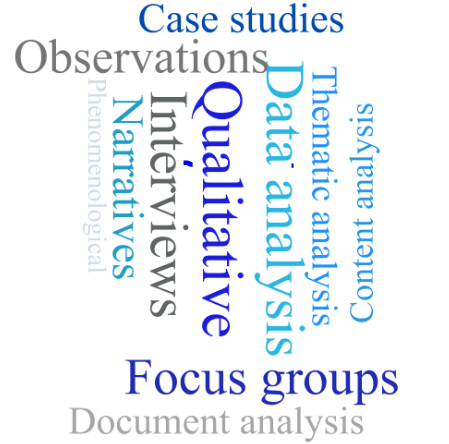
Qualitative data takes different formats, including direct quotes from participants, interview transcripts, field notes, and visual materials. Different techniques are utilized to analyze qualitative data, such as grounded theory and thematic analysis, which are employed to examine the data and uncover the depth and diversity of individuals’ responses, opinions, and experiences related to the research question. Struggling to understand your non-numerical data? This is where our professional qualitative analysis services make a difference.
We specialize in analyzing qualitative data to help clients understand the experiences, perceptions, and behaviors of individuals. We also help clients in need of quantitative analysis, dashboard creation, data analytics, and AI development services, among others. In this article, we have discussed the step-by-step qualitative analysis process followed by our experts. We have also outlined the qualitative analysis techniques we apply, such as thematic, content, and narrative analysis.
What is Qualitative Analysis?
Qualitative analysis is a research method that involves examining and interpreting non-numerical data to identify patterns, themes, and insights that explain complex human behaviors and experiences. Qualitative analysis is mainly used in fields such as social sciences, education, and healthcare to uncover the underlying reasons, motivations, and meanings behind human behavior and social phenomena.
Given the voluminous amount of data from qualitative research, conducting an accurate data analysis can be overwhelming and time-intensive. As such, scholars, investigators, and organizations hire expert qualitative data analysts to get well-grounded and comprehensive explanations of human processes. In case you are looking to buy professional qualitative data analysis solutions, our experts offer the best services and are available around the clock to help. We also offer quantitative data analysis, market research, and AI workflow automaton services.
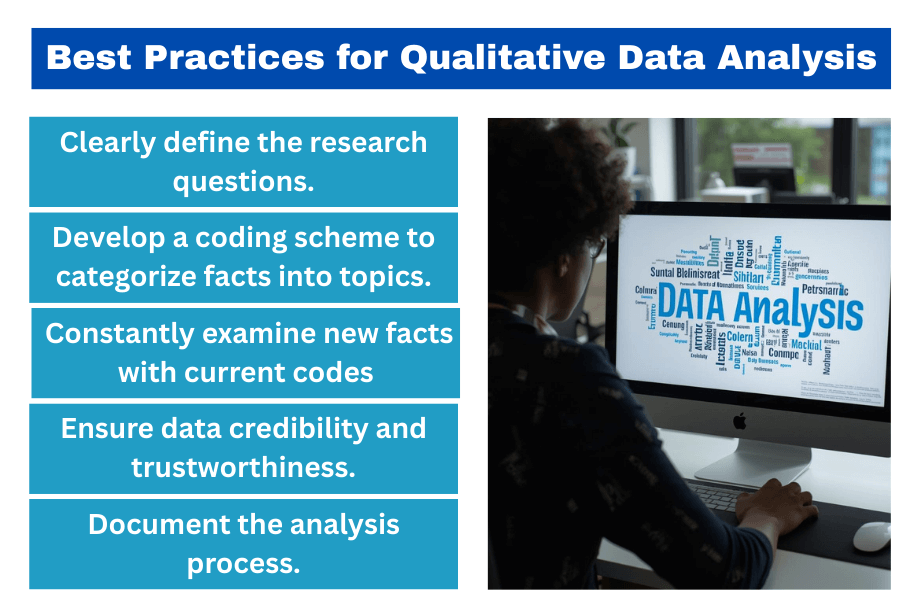
Our Qualitative Services Process: A Step-by-Step Guide by Our Professionals
Below is a comprehensive guide to how we analyze qualitative data:
Step 1: Define Objectives
Establishing clear research objectives is crucial for guiding the study toward its intended outcomes. Our experts refine broad research goals into clear and specific objectives that will guide the analysis in addressing client needs. We ensure the research objectives are open-ended and exploratory to allow for in-depth insights.
Step 2: Organize and Prepare Data
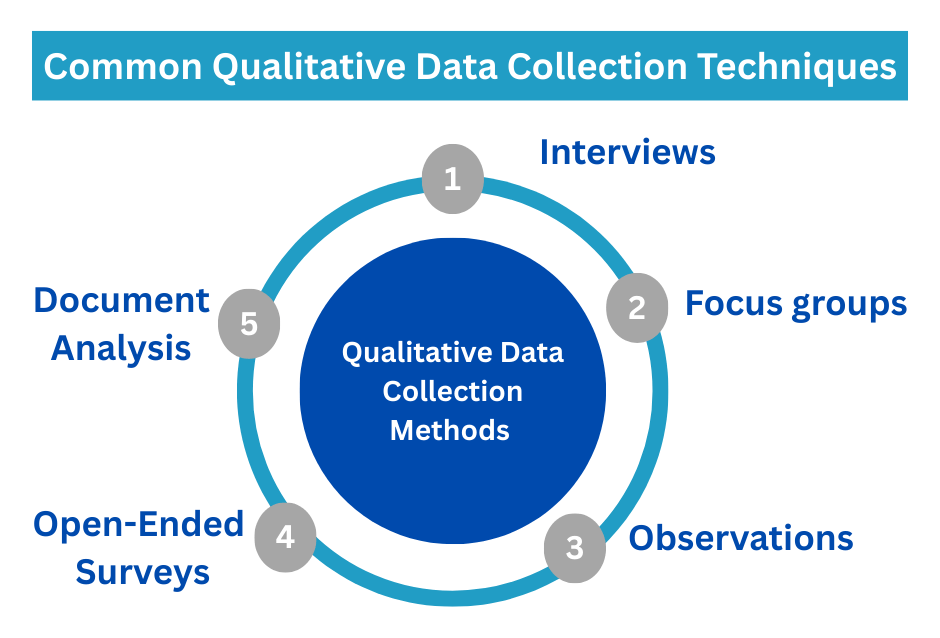
After completing data collection for a qualitative research project, investigators usually have voluminous quantities of data. The vast amount of non-numerical data can seem overwhelming at first, but organizing and preparing data is essential to ensure quality and consistency before analysis. The data types we analyze include interview recordings, field notes, open-ended survey responses, and images.
To organize qualitative data, we begin by first developing attribute codes that identify the data type, source, time, and location. Second, we tag the data associated with each of the attribute codes to categorize and manage the data. Our professionals prepare qualitative data through data reduction, where we identify and highlight critical information, extract meaningful segments, and discard data that may not be significant to the research objectives. In the preparation step, we also transcribe interviews, type up field notes, and catalog all visual material to ensure the rigor and trustworthiness of the study.
Step 3: Reading and Reflecting on the Data
Reading and reflecting on the qualitative data provides insights into situations, events, context, and actions related to the phenomenon of interest. As our experts read the qualitative data, we note down points that are unusual and do not support assumptions to identify similarities or differences in information acquired from other participants. By reading and reflecting on the qualitative data, we understand the perspectives of participants and decide on an analytical framework for further data analysis.
Step 4: Code Data
Coding data is an iterative and reflective process that involves categorizing and tagging segments of qualitative data that represent their meaning and content. Coding in qualitative research is categorized into two main categories: inductive and deductive. In inductive coding, our experts develop a list of codes or a codebook from scratch based on clients’ qualitative data. Deductive coding involves utilizing predetermined codes based on existing theories, frameworks, or research questions.
Step 5: Theme Identification and Analysis
Theme identification is the iterative process of reading and grouping similar codes to identify recurring patterns, ideas, and meanings relevant to the research question. Our professionals identify themes by integrating the results of the coding process and generating themes that tie together the codes into groups based on their meanings. We review and refine themes to find new themes that may have been missed and ensure the identified concepts are useful and accurate representations of the qualitative data.
Step 6: Interpret the Data
Interpreting qualitative analysis results involves extracting meaningful insights from the identified themes by connecting patterns to the research questions, existing literature, and the study’s purpose. Our experts interpret qualitative data through an iterative process of reflection, exploring contradictions, and looking for connections between themes. We also consider diverse perspectives to develop contextualized conclusions that explain the complex phenomena under study. Interpreting the findings is important for understanding the meaning and implications of the research and determining how the results make a contribution to the field of research.
Step 7: Reporting
A data analysis report comprises an introduction, methodology, results, discussion, and actionable recommendations. Our professionals handle reporting and deliverables by organizing qualitative analysis findings into compelling visuals that illustrate key patterns and themes identified in the study. We customize the data analysis report based on the intended audience, ensuring that the document is easy to follow and understand. If you are looking to hire expert qualitative data analysts, we would love to hear from you. Our professionals are readily available to transform your qualitative data into meaningful conclusions. We also help clients develop AI agents, conduct quantitative analysis, create custom dashboards, and conduct data analytics, among others.
Qualitative Research Approaches Utilized by Our Experts
Some of the primary methods of qualitative analysis which include thematic, content, discourse, narrative analysis, and grounded theory. Our experts select the most suitable qualitative analysis technique to employ based on the clients’ research question and type of data. In this section, we have discussed the qualitative analysis methods applied by our experts.
1. Thematic Analysis
Thematic analysis is a qualitative research method used to identify and interpret themes in a dataset. The aim of conducting a thematic analysis is to identify themes in data that are useful in explaining certain behavior. Our experts follow a systematic process when conducting thematic analysis, which involves i). familiarize with data, ii). generate initial codes, iii). search for themes, iv). review potential themes, v). define themes, and vi). compile reports. With our professional thematic analysis services, clients get a comprehensive understanding of what individuals say and do within their social contexts.
2. Grounded Theory
Grounded theory is a qualitative analysis procedure that is used to generate a theory that explains, at a broad conceptual level, an action about a substantive topic. Rather than beginning the study with predefined concepts and frameworks, the grounded theory emphasizes building understanding directly from the qualitative data. Our experts apply the grounded theory technique for qualitative research in unfamiliar or unexplored areas, where theoretical direction is lacking or premature. We conduct simultaneous data collection and analysis through coding and memoing, guided by theoretical sampling until theoretical saturation, where patterns lead to a concept and a main theory.
3. Content Analysis
Content analysis is a technique that is used to examine and interpret the information found in textual data. Our experts offer professional content analysis services by systematically analyzing data from written documents, interview transcripts, or other forms of communication, allowing clients to draw evidence-based conclusions. Key steps we follow when conducting content analysis involve selecting information for analyzing, defining units and categories of analysis, coding, interpreting results, and making conclusions.
4. Narrative Analysis
Narrative analysis is a method that is used to understand how individuals create stories from their personal experiences. Our professionals analyze qualitative data from interviews, written stories, monologues, or recordings, among others, to discover themes and meanings. Key steps we follow include familiarization with data, concept identification, coding, thematic grouping, and interpretation, focusing on how individuals tell stories to understand social phenomena.
5. Discourse Analysis
Discourse analysis is the practice of studying written and spoken language in relation to its social context. Our professionals conduct a discourse analysis by examining the linguistic content and the way language is utilized in a given text to convey meaning in various social settings. By studying conversations, we can discover underlying themes and concepts that shape user experience and perceptions. Need custom qualitative data analysis solutions? Look no further than our services. Hire expert qualitative data analysts from us today and enjoy industry-expertise and ongoing support. Additionally, you can hire our experts for artificial intelligence (AI) automation, data analytics, dashboard creation, and quantitative data analysis, among others.
Buy the Best Qualitative Analysis Services From Our Experts
With our specialized qualitative data analysis help, clients understand social phenomena in natural settings, giving emphasis to the meanings, experiences, and views of the participants. Whether you are a PhD student working on your dissertation, a business looking to gain useful insights, or a researcher conducting a study, our experts offer personalized solutions based on the client’s unique needs. Qualitative data analysis tools we employ include NVivo, MAXQDA, and Atlas.ti to manage, code, and interpret non-numerical data effectively. By ordering our professional qualitative data analysis solutions, clients:
- Gain a deep understanding of complex issues.
- Get a holistic view of qualitative data.
- Interpret data within its real-life context.
As a leading qualitative data analysis company, we excel in providing the best services to researchers globally. We also help companies conduct market research to understand market trends and patterns to make future predictions and mitigate risks. Our experts ensure that each step of the qualitative research is carefully executed, including transcription, coding, and thematic development, preserving context and data integrity. We apply meticulous intercoder reliability checks, consistency assessments, and iterative validation methods to guarantee the best outcomes for clients’ qualitative analysis.
Why Hire Expert Qualitative Data Analysts From Our Company?
Enlisting qualitative data analysis services from experts provides numerous advantages, including a deep contextual understanding, accurate coding and theme identification, advanced software proficiency, and minimized bias, ensuring findings are reliable. Our professionals focus on accuracy and clarity and ensure that the findings reflect participants’ perspectives. Below are the main reasons why clients choose us for qualitative data analysis solutions:
- An expert team of qualitative data analysts. We apply our practical analytical skills and expertise to examine and interpret qualitative datasets, ensuring findings are accurate and align with clients’ research objectives.
- Client-centric approach. We tailor our services to align with the clients’ research objectives, field of research, and specifications. By adopting a customer-centric approach, we ensure the qualitative analysis remains relevant and aligns with what the client aims to achieve.
- Punctual delivery without compromising on quality. Our experts follow a systematic procedure to ensure the results of the qualitative data analysis are delivered within the agreed timelines.
- Excellent customer support. Our consultants offer comprehensive customer support throughout the qualitative analysis process by providing regular order updates, addressing inquiries, and handling revisions promptly.
- Round-the-clock availability. Our team is available 24/7 to respond to client inquiries, incorporate client feedback, and offer post-service support, ensuring clients are fully satisfied with our qualitative analysis services.
Table of Contents
Summary
Selecting the right services for qualitative data analysis determines the success of research. At our company, we have a skilled team of experts who help clients with end-to-end qualitative data analysis, from data preparation to results interpretation. By buying our qualitative analysis solutions, clients benefit from industry-expertise, punctual delivery, the best customer service, and 24/7 availability. If you are looking to hire expert qualitative data analysts, we are readily available. Contact us or join our live chat to talk to our friendly customer service agents today and discover how we can help.